Zoning Codes Are Moral Documents
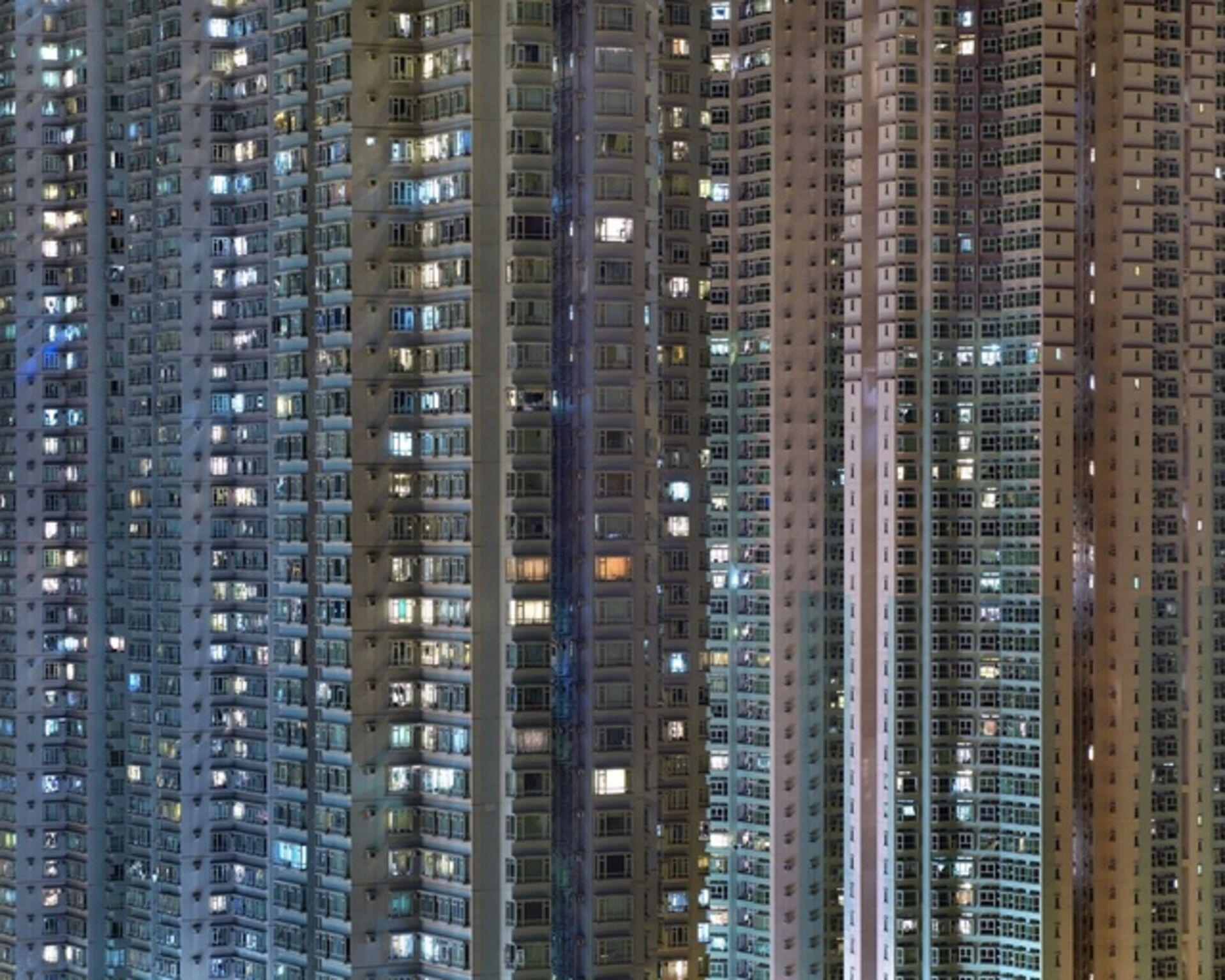
There is a moment in almost every planning meeting when the moral question disappears into the vocabulary of administration.
A proposal becomes a setback. A family becomes an occupancy limit. A neighborhood becomes a district shaded pale yellow on a map. The conversation shifts to floor-area ratios, lot coverage, allowable uses, parking minimums and findings. These terms are necessary. They are also highly effective camouflage.
Behind every zoning rule is a judgment about what belongs near what, which changes are acceptable, and whose comfort deserves protection. A rule that allows a detached house but prohibits a duplex is not merely describing building form. It is choosing one household arrangement over another. A minimum lot size is not simply a number. It establishes a minimum price of admission. A ban on apartments near well-funded schools does not mention income, race or class, yet it can distribute access to those schools with remarkable precision.
This does not mean every zoning rule is sinister. Cities need rules that separate homes from dangerous industry, protect people from hazards, preserve light and air, and coordinate growth with infrastructure. The mistake is not regulation. The mistake is pretending regulation is morally neutral.
American zoning grew partly from legitimate public-health concerns and partly from a desire to protect property and social order. Over time, local codes became dense operating systems for cities. They determine not only what can be built, but what must be proposed, financed, reviewed, defended and delayed before it can exist. Because these effects accumulate parcel by parcel, the code can appear passive even while it shapes the city more powerfully than many public investments.
Consider two lots on the same transit corridor. On one, the code permits a large single-family home by right. On the other, a modest four-unit building requires studies, hearings, redesign and discretionary approval. The city has not banned the four households. It has simply made their housing riskier, slower and more expensive to produce. Procedure becomes policy by another name.
The moral choices become clearer when we ask ordinary questions. Can a teacher live near the school where she works? Can an older homeowner add a small unit for a caregiver? Can adult children remain in the community where they grew up? Can a renter reach opportunity without owning a car? Can a neighborhood welcome new neighbors without requiring every new home to be a luxury product?
These are not side effects of zoning. They are among its most important outcomes.
California's housing goals make the stakes unusually visible. The state has called for 2.5 million new homes by 2030, including at least one million affordable to lower-income households.1 That target cannot be reached through architecture alone. It depends on whether local rules permit enough housing, in enough places, through processes that can actually result in construction. The relevant question is not simply whether a plan contains adequate capacity on paper. It is whether a real project can survive the journey from parcel to permit.
Zoning also distributes absence. A neighborhood may lack apartments, corner stores, child care, shelters or small gathering places not because residents never wanted them, but because the code excluded them so consistently that their absence came to feel natural. Once a pattern is established, familiarity itself becomes evidence in its defense: this is a quiet neighborhood; this is not the place for density; this use would change the character of the area.
But character is not a fixed inheritance. It is the accumulated result of earlier decisions, including decisions about who was allowed to arrive.
The language of character can protect meaningful things: mature trees, social networks, historic buildings, local businesses, cultural memory and a humane scale. It can also freeze privilege in place. The task is to distinguish the qualities worth preserving from the exclusions that made those qualities available to only a few.
A more honest zoning practice would begin by stating values before dimensions. Every major rule should be able to answer four questions: What public purpose does this serve? Who benefits? Who bears the cost? What evidence would cause us to change it?
That test would not eliminate conflict. It would improve it. Residents could still argue for shade, safety, affordability, beauty or stability, but those values would have to be weighed openly against the needs of people who are not yet in the room: future residents, renters, younger households, people with disabilities, workers with long commutes and families searching for a foothold.
Maps should help expose this moral geography. Instead of showing only permitted uses, planners could map the consequences: the incomes needed to access each district, the number of homes effectively excluded, travel time to jobs, access to high-performing schools, displacement risk, tree canopy and exposure to pollution. As cartographer Gretchen Peterson argues, a map's design must honor its purpose and message; elegance is not decoration but clarity.2 A zoning map that shows rules while hiding results is technically accurate and civically incomplete.
The code will always contain measurements. The public debate should contain meaning.
Zoning is where a city writes down its answer to a basic question: who gets to belong here? We should read it accordingly — not as a neutral manual, but as a moral document with setbacks, footnotes and consequences.
"Procedure becomes policy by another name."← Back to The Journal