Public Space Without Purchase
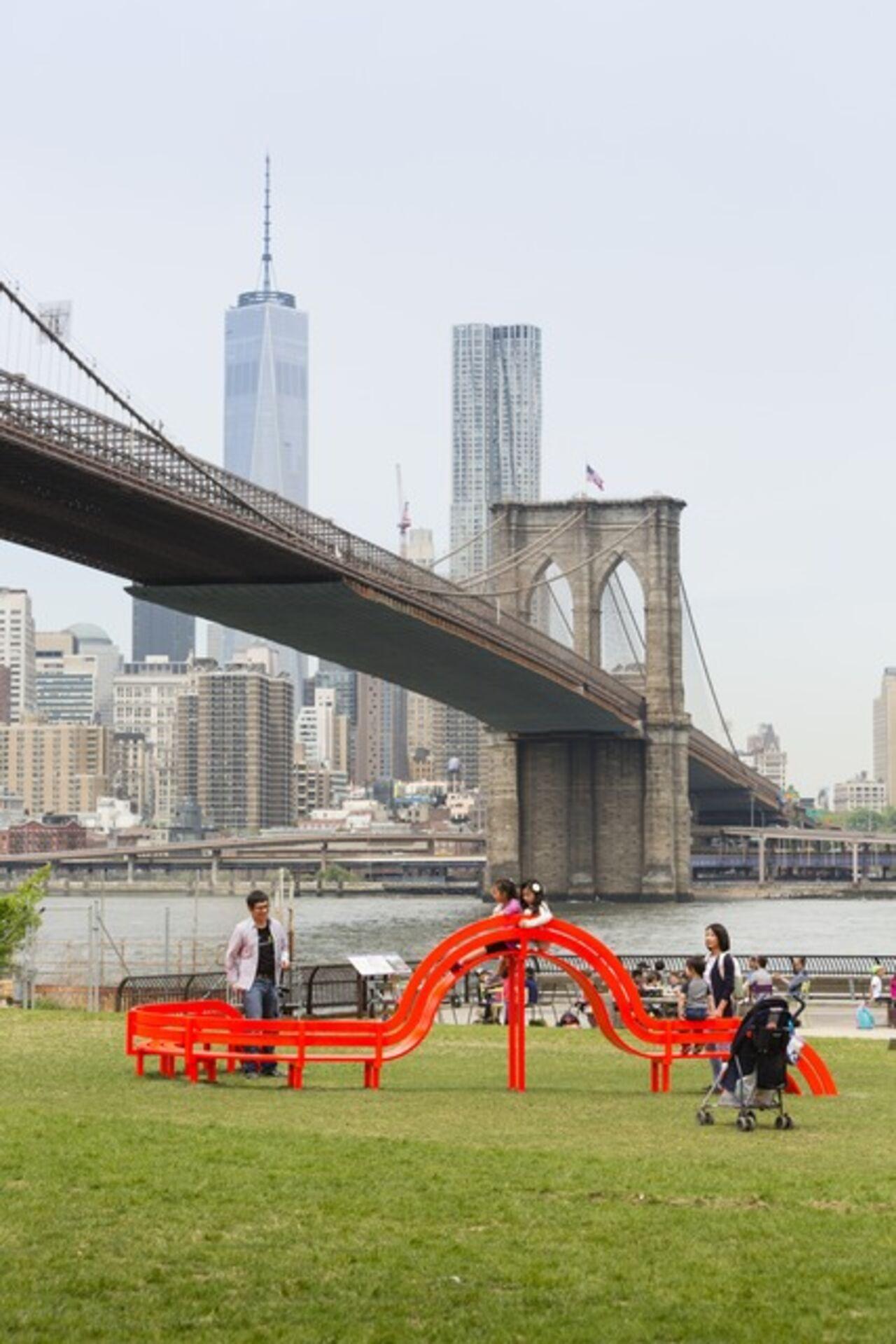
The easiest way to test whether a place is truly public is to arrive with no intention of buying anything.
Try to sit for half an hour. Use a bathroom. Drink water you brought from home. Wait for a friend. Bring a teenager. Bring a bag that suggests you may not be shopping. Notice which surfaces welcome your body, which signs establish rules, which guards begin to watch and how quickly the architecture redirects you toward a transaction.
Many contemporary urban spaces are publicly accessible but commercially scripted. A plaza may be open to everyone while most of its useful area belongs to cafe tables. A lobby may provide a dramatic indoor passage but no place to sit. A shopping district may offer immaculate landscaping and nowhere to use a restroom without a receipt. The message is subtle and consistent: movement is allowed; lingering must be justified.
Commerce has always animated cities. Markets, cafes, shops and street vendors create social life. The problem is not buying things in public. The problem is when purchase becomes the price of remaining visible.
This matters because public space performs work that private homes and businesses cannot. It allows strangers to coexist without invitation. It gives people with small homes somewhere to gather. It supports protest, courtship, rest, solitude, performance, play and the weak social ties that make a place feel inhabited. It offers a shared stage on which people encounter lives unlike their own.
The right to be present is unequally distributed. A professional reading on a bench may be interpreted as relaxing. An unhoused person in the same posture may be treated as a problem. Teenagers gathering in a group attract scrutiny that adults buying dinner do not. Rules against sleeping, lying down, amplified sound, wheeled devices or large bags may be defended individually, yet together they can define the acceptable public as people who behave like customers passing through.
Design often enforces what policy avoids saying directly. Benches are divided so no one can lie down. Ledges tilt. Planters occupy places where people might gather. Seating is removed in response to conflict, leaving older adults, disabled people and parents without rest. This is sometimes called hostile architecture, but the hostility is not only in the object. It is in the decision to solve a social problem by making the public realm less usable for everyone.
Privately owned public spaces make the ambiguity especially visible. New York City has more than 550 such spaces at more than 350 buildings, created when private owners received zoning benefits in exchange for areas that must remain open for public use.1 The arrangement can produce valuable plazas, arcades and indoor spaces. It can also produce a public realm whose accessibility depends on private maintenance and public enforcement. A 2017 city comptroller audit found that more than half of the locations examined failed to provide required amenities or denied access.2
The lesson is not that privately maintained spaces are inherently illegitimate. It is that public access must be legible, enforceable and designed as a primary function. A space cannot rely on a small plaque, obscure hours and the confidence of visitors who already know their rights.
What would a public-space standard based on belonging include?
First, a person should be able to understand that the space is public from the sidewalk. Entrances, hours and rules should be clear. Second, the space should support different durations of use: passing through, waiting, eating, meeting and resting. Movable chairs can offer agency, while benches with backs and arms serve people who need support. Third, basic human needs should not be treated as commercial opportunities. Water, shade and public restrooms are infrastructure.
Fourth, management should focus on harmful behavior rather than unwanted identity. A rule against harassment protects users. A design strategy aimed at making a category of person uncomfortable corrodes the meaning of public. Finally, the city should inspect, measure and publish whether promised amenities are actually available.
The most valuable public spaces also leave room for unprogrammed life. Not every hour requires an event. Not every surface needs a prescribed use. A plaza that looks empty at one moment may still be performing civic work: offering quiet, flexibility and the knowledge that one may arrive without an appointment.
A city reveals its generosity not only through what it offers residents, but through what it allows them to do without payment or explanation. The free bench is a small thing. It is also a declaration that your presence alone is sufficient.
"The problem is when purchase becomes the price of remaining visible."← Back to The Journal