One Block, Twenty-Four Hours
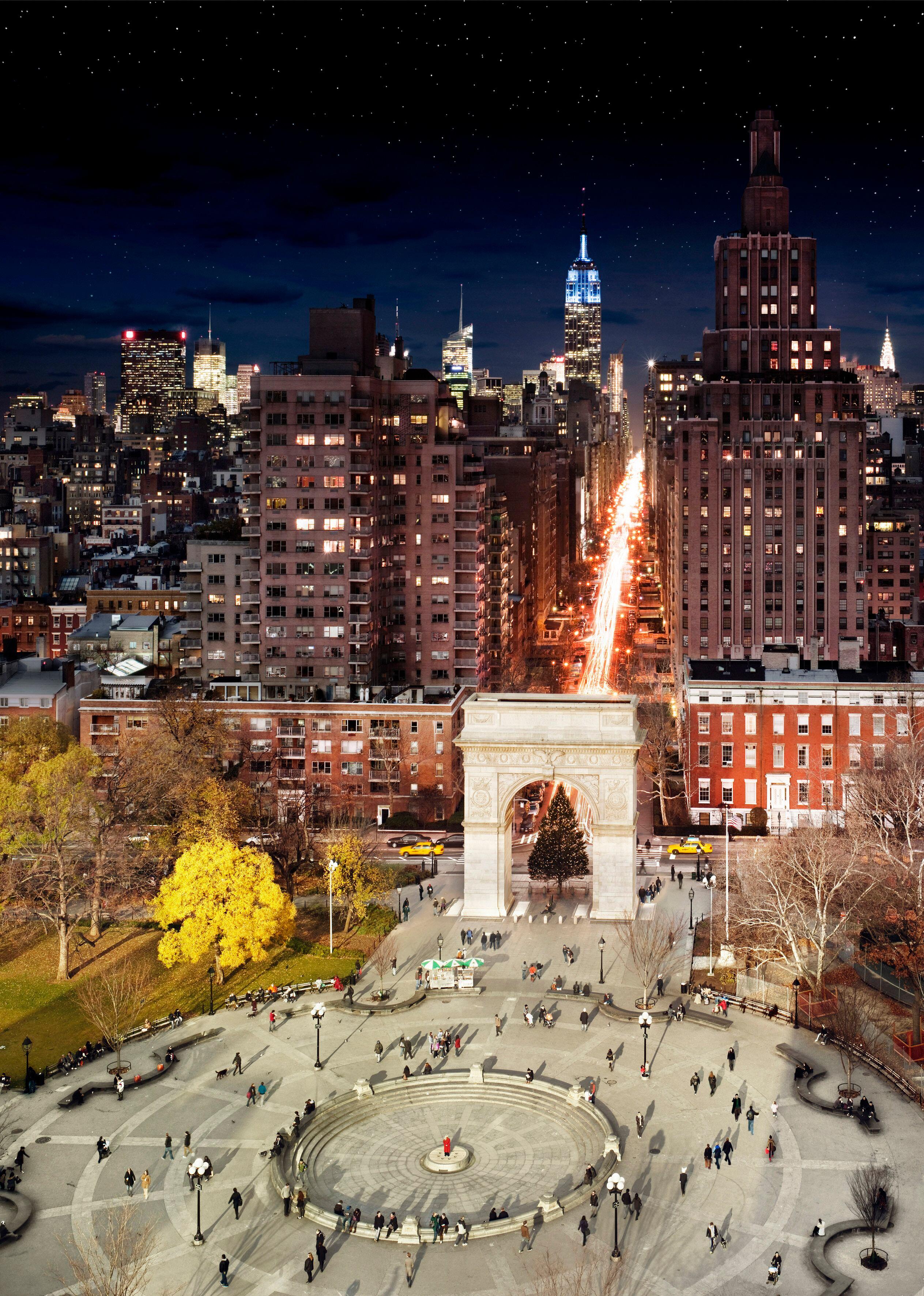
5:12 a.m. — Before the official city
The block is dark, but it is not asleep.
A bakery delivery occupies the travel lane. A custodian enters through a side door. Someone waits alone at the first bus stop. Sprinklers strike the sidewalk. The traffic signal cycles through an empty intersection because the machinery of the street follows rules written for a busier hour.
Planning documents often describe land use as though a parcel performs one stable function. Residential. Commercial. Institutional. The early morning reveals a different city: loading, cleaning, preparation, waiting and work that occurs before customers and office workers arrive.
7:43 a.m. — The choreography of urgency
Children, caregivers, bikes, buses, coffee cups and turning vehicles converge. The same curb is requested by a school drop-off, a delivery driver, a ride-hail passenger and a person using a wheelchair ramp. Each use appears reasonable alone. Together they become choreography without a choreographer.
The block's design contains priorities, whether they were consciously chosen or simply inherited. A wide turning radius helps a truck move quickly and lengthens the crossing for a child. A parking space provides convenience and may block the best location for a bus stop. Time makes these conflicts visible because demand changes faster than concrete.
10:26 a.m. — The overlooked interval
The morning peak has passed. An older adult walks slowly toward the pharmacy. A caregiver pushes a stroller. A maintenance worker kneels beside a planter. The sidewalk feels generous now, which is how a design can appear successful during a site visit scheduled at the wrong hour.
Observation is a planning method. Count who is present, but also who is missing. Where do people stop? Which route do they choose instead of the intended one? What improvised uses suggest an unmet need? A worn path, moved chair or cluster at the edge of shade is a small piece of testimony.
12:18 p.m. — The public dining room
Office workers carry lunch outside. Couriers pause without ordering. Every seat in shade is taken while sunny benches remain empty. A low wall becomes furniture. The block briefly functions as a shared room, though no agency manages it as one.
The distinction between public and private blurs at the ground floor. A cafe animates the sidewalk but also claims part of it. A lobby offers shelter but may exclude non-tenants. The health of the block depends on negotiation: enough commerce to create activity, enough public space that participation does not require purchase.
3:07 p.m. — Heat edits the map
The shortest route is no longer the preferred route. Pedestrians cross early to follow shade. A bus rider stands behind the shelter because the roof does not block the afternoon sun. The official map shows sidewalks as equivalent lines. The body redraws them by temperature.
A useful map does not merely record everything that exists. It selects information for a purpose. The AC Transit map assessment distinguishes a tool for a known trip from a map that builds awareness of what the network makes possible.1 A twenty-four-hour portrait of a block performs a similar function. It shows not simply where objects are, but how the place behaves.
5:36 p.m. — Competing departures
Workers leave, residents return and deliveries continue. The curb becomes contested again. Noise rises. The person waiting to cross presses the button twice, as though the second press might tell the system this trip matters.
Peak-hour planning can make the block efficient for the largest flow while degrading it for everyone who is not part of that flow. Throughput is a real concern. So are the small delays imposed on people outside vehicles, repeated hundreds of times across a week.
8:41 p.m. — A different public
Restaurant tables fill. Teenagers occupy the edge of the plaza. A worker locks a shop gate. Music escapes each time a door opens. The block becomes social, and the standards used to judge it change. Activity that reads as vitality to one resident reads as noise to another.
The night city needs its own planning intelligence: lighting that supports visibility without flattening atmosphere, late transit, safe routes for workers, bathrooms, loading rules and places for teenagers to exist. Nightlife is not what happens after the serious city closes. It is part of the city's economy, culture and capacity for joy.
12:32 a.m. — The maintenance shift
Chairs are stacked. Waste is collected. A street sweeper waits for parked cars to move. The block begins to erase evidence of the day.
Maintenance is the hidden author of public space. Design receives awards; cleaning, repair and stewardship determine whether the design remains usable. The person changing a trash liner may understand the block's patterns better than the person who drew its plan.
3:16 a.m. — The city as shelter
The last bar closes. A ride arrives. One person remains beneath an awning because there is nowhere else to go.
At this hour, the public realm becomes less abstract. It is light, cover, a bathroom that may be locked, a bench designed not to permit sleep and the distance to a safe place. The block reveals whom the city expects to be present and whom it tries not to see.
Twenty-four hours do not produce a final judgment. They produce humility. The block is not empty when our preferred user is absent. It is not successful because it performed well at noon. It is a shared instrument played by different hands, sometimes beautifully and sometimes in conflict.
Before redesigning it, stay long enough to hear the whole song.
"The official map shows sidewalks as equivalent lines. The body redraws them by temperature."← Back to The Journal